How I think about buying
I've been buying businesses since my early twenties. The ones that worked all had a few things in common.
It works despite all the odds. When I looked at Marsh Farm, it was a really rubbish day out. No investment, no leadership, no management, and people still went, because everyone knew about it. That's what I'm looking for: a business that's doing well before anyone's even started on it.
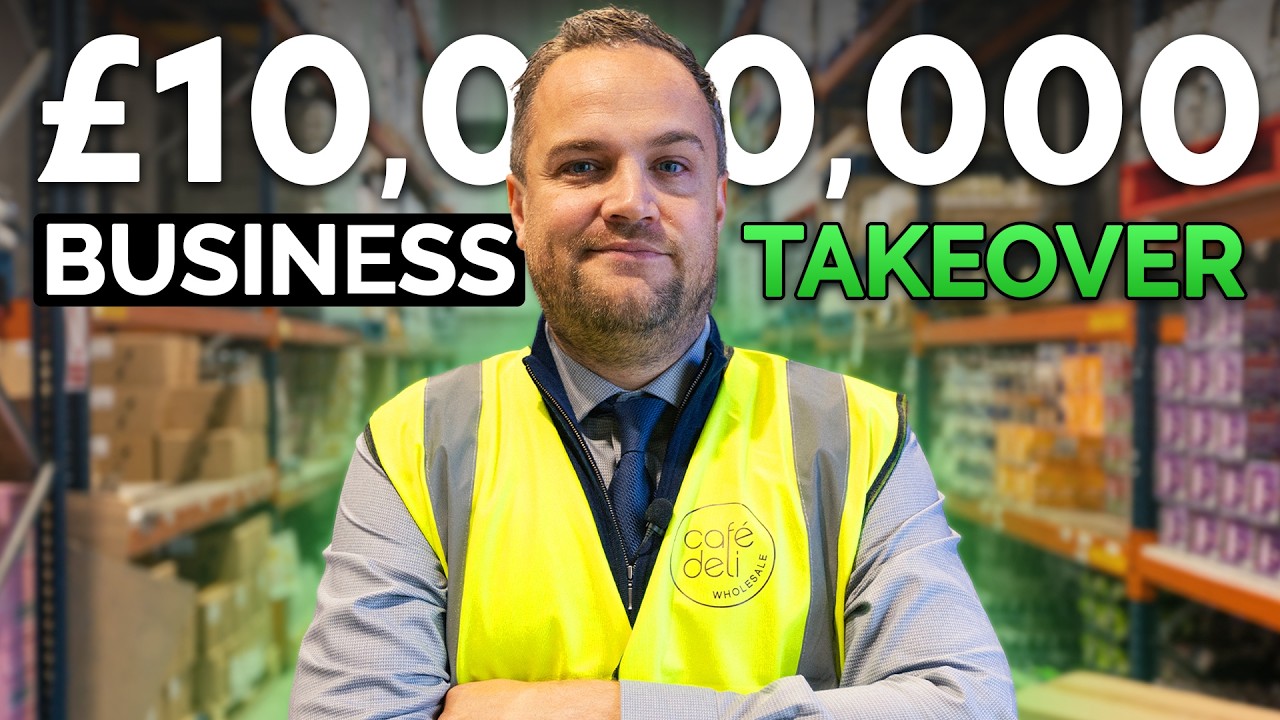
Cash comes in every day. A little bit of money from a lot of people, a lot of the time. The day we bought Rossi Ice Cream, an order came through within a minute and we were out delivering ice cream.
It's the right size. Between £1 million and £5 million of revenue is the sweet spot. Below that, you're mostly buying a one-man band. Above it, you're up against private equity and pension funds.
Plenty of brilliant businesses come under my nose that I'd love to own, but the deal doesn't stack up. My price starts at zero and goes up from there. And if one gets away, there's always another one coming.